
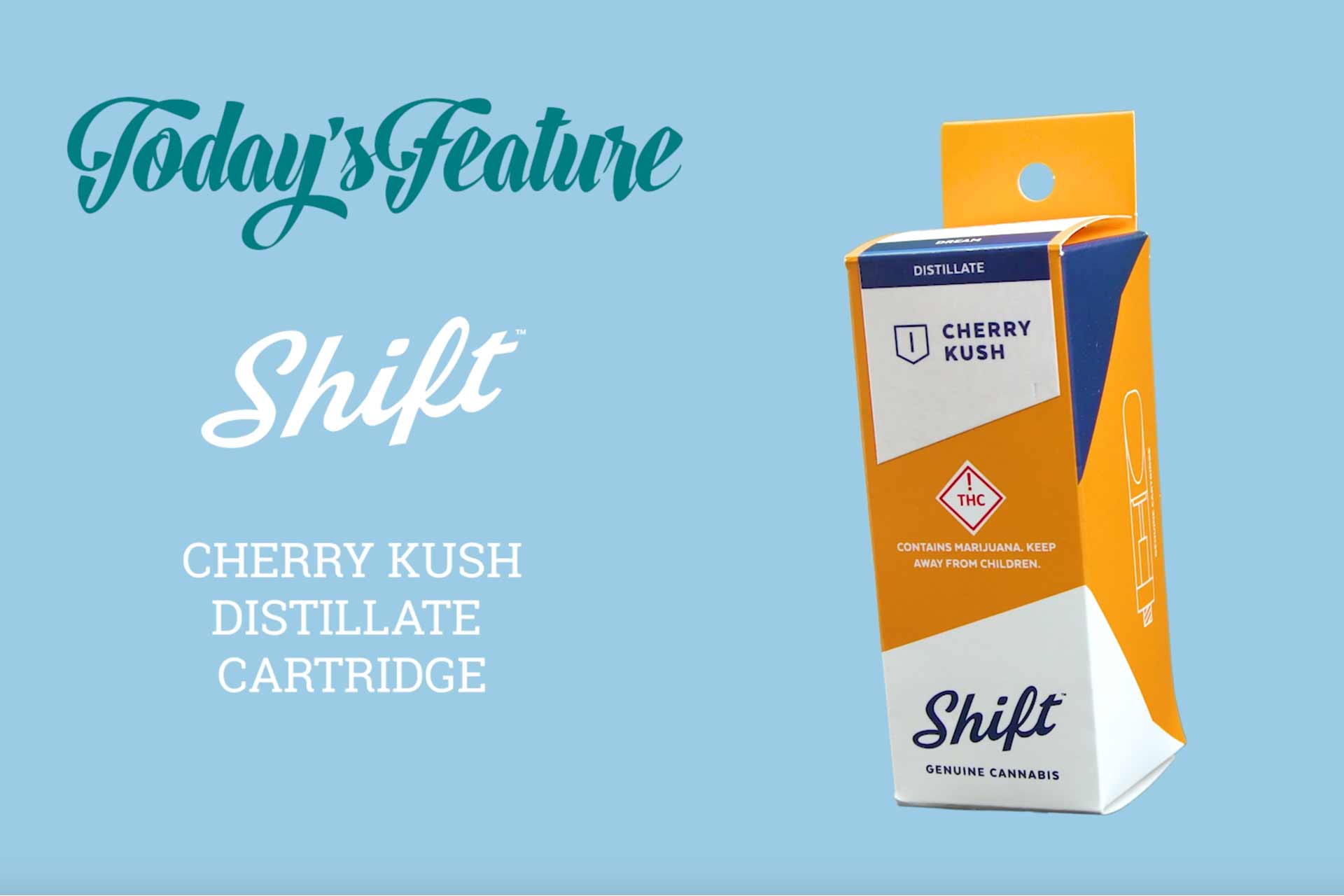
Shift Distillate Carts

Check out Reuben Droughn's review of Shift's 500mg Cherry Kush Distillate Cart

Everything Colorado Dispensary Shoppers Need to Understand About the Endocannabinoid System
The endocannabinoid system (ECS) is one of the secrets to your cannabis experience.
Much of our cannabis knowledge comes from discoveries made in the last forty years – we’ve barely scratched the surface of understanding the ancient plant’s full potential and benefits. Still, there’s enough information out there to help Colorado dispensary shoppers optimize their cannabis experience.
The endocannabinoid system, or ECS, is tied directly to the effects cannabis can have on your mental and physical state; we’ll get you up to speed on what the ECS does and why you should care.
First thing’s first – guess what, you have an endocannabinoid system.
Researchers identified the endocannabinoid system after decades of scientific exploration. Their discovery arrived only a few years after scientists found the CB1 and CB2 receptors (the two primary endocannabinoid system receptors). In uncovering the endocannabinoid system, scientists unearthed a network of enzymes, receptors, and biochemical pathways connected to the naturally occurring cannabinoids in our bodies (yes, our bodies produce cannabinoids).
The CB1 and CB2 receptors allow us to receive the benefits of cannabis when cannabinoids like THC bind to them. Connecting the ECS discovery to its corresponding receptors led to most of what we understand today when it comes to cannabis’ effect on our bodies and minds.
(The discovery of terpenes also plays into our current understanding, but we’ll leave that topic for another day.)

Let’s talk a little more about the CB1 and CB2 receptors.
Most of your CB1 receptors are in the central nervous system; however, they exist elsewhere but in lower quantities. Activating the CB1 receptors produces behavioral and cerebral effects, explaining why the receptor plays a direct role in emotion, motor control, appetite stimulation, pain perception, cognition, and memory.
THC likes to interact with our CB1 receptors – that’s one reason you’ll experience euphoria (among other effects) when consuming high-THC strains.
CB2 receptors are commonly found in our immune system cells, where they moderate pathogen response and ease inflammation. Stimulating the CB2 receptors won’t produce a heady and euphoric high, but it can help you relax and provides general pain relief without impairing cognition. Strains high in the peppery terpene Beta-caryophyllene easily bind to the CB2 receptors and are thought to have anti-inflammatory benefits (just follow your nose).
Many cannabinoids (the chemical compounds in cannabis) bind to both receptor types, but CBD has a different relationship with CB1 and CB2. Instead of triggering the receptors, CBD modifies their ability to bind with cannabinoids like THC, which explains why CBD mellows some of THCs psychoactive effects.
Here’s a pro tip: if you’ve overconsumed, reach for a CBD-heavy product – a tincture, for example – it’ll help you return to earth.
Let’s get back to the ECS.
Your endocannabinoid system is a complex web of receptors, biochemical pathways, and enzymes (we said this above, but it’s worth repeating).
The ECS is the central regulatory bodily system responsible for maintaining homeostasis (internal balance). It’s your body’s thermostat, so-to-speak, and keeps you comfortable, among other things. Through this complex system, cannabinoids interact with your body, triggering its beneficial effects. Despite the ECS’s vital role in how our bodies function, it was discovered relatively recently, and we’ve only begun to fully understand its significance.
“The endocannabinoid system (ECS) plays a vital role in the human body for our survival. This is due to its ability to play a critical part in maintaining the human body’s homeostasis, which encompasses the brain, endocrine, and immune system, to name a few.”—The Endocannabinoid System, Our Universal Regulator, Chad A. Sallabaryy and Laurie Astern, 2018
You need to take care of your endocannabinoid system.
Because you have to care for it, you must understand a few endocannabinoid system basics.
It’s easy to throw your ECS out of balance. Diet, stress, and exercise (or a lack thereof) influence the endocannabinoid system. Unfortunately, modern life is taking its toll on this influential bodily network (especially this year).
Fortunately, cannabis purchased from a legal Colorado dispensary can help if you’re trying to counteract an internal imbalance. There are hundreds of cannabis cannabinoids, and each uniquely interacts with your CB receptors in a way that helps to support homeostasis. Cannabis can help ensure that your body is working with enough cannabinoids, and it’ll be your friend as we try to get through the stressors of 2020.
Cannabis is complicated, but we’ll simplify the plant for you.
It’s been our mission to simplify the cannabis purchasing experience for Denver dispensary customers since our founding. We’re here to help you find the best products for your lifestyle. Drop by your favorite (or nearest) Lightshade Colorado dispensary and let our budtenders be your guide.
Women, Weed, and Wellness
Cannabis might be the secret to helping women live healthier and more relaxed lives.
Cannabis is forging a path to the center of Colorado’s growing wellness community. And while this comes as a surprise to new consumers approaching the plant from the lense of past stigmatization to us, it’s no surprise. We’ll explain.
Most Denver dispensary shoppers are familiar with the basics of what cannabis can do:
- treat general pain and anxiety
- help people get a good night’s sleep
- have fun
- relax after work
- inspire focus and creativity
But many people are still in the dark when it comes to the therapeutic value our favorite plant provides to women. We don’t intend to ruffle men’s feathers, but, like many aspects of society, even though cannabis is an ancient herbal remedy, it tends to be associated with men more than women.
However, when it comes to enjoying and benefiting from our favorite plant, women might have the upper hand.
If you don’t believe us, keep reading.
Here are three ways cannabis can help women unwind and lead healthier lives.
Cannabis is a natural aphrodisiac.
There are hundreds of articles discussing the connection between cannabis and better sex. Now, because of a study published in the Journal of Sexual Medicine, we know that marijuana not only improves sexual experiences but cannabis consumers on average, have 20% more sex than those who abstain.
Cannabis opens the door to a new world of sensations, confidence, and feelings of sexual liberation for female consumers, and our industry has taken notice. That’s why more sex-focused cannabis products are emerging for women.
Cannabis can help women suffering from postpartum depression.
Nearly 600,000 American women suffer from postpartum depression (PPD) each year. It’s a debilitating condition that’s difficult to diagnose and can include extreme sadness and depression, anger, anxiety, stress, and difficulty sleeping and eating. Fortunately, evidence suggests that high-CBD cannabis strains can help relieve its most common symptoms like loss of appetite, depression, and anxiety.
Cannabis can help alleviate the symptoms of premenstrual syndrome.
Women in the throes of premenstrual syndrome (PMS), can experience symptoms ranging from mild discomfort to crippling pain, and cannabis is an ideal natural remedy. Studies show that THC contains more than twenty times the anti-inflammatory properties of Aspirin. And cannabis doesn’t come with the unfortunate gastrointestinal side-effects of a Non-Steroidal Anti-Inflammatory Drug (NSAID) like Aspirin.
“Four out of ten surveyed female cannabis consumers turn to marijuana as a natural alternative to manage mood swings caused by menstruation, menopause, or mental health conditions. Relief from premenstrual pain and cramps also registered as major drivers, with 39% of menopausal consumers choosing cannabis
Women get high faster than men.
According to a Washington State University study, women feel the effects of THC in cannabis faster than men. Researchers looked at the effects of cannabis on female and male rats over ten days. Their results showed a lower tolerance to THC in female rats than their male counterparts, indicating that women have a more significant sensitivity to psychoactive cannabis cannabinoids.
Women represent an emerging and growing cannabis consumer market.
Women today hold more spending power than ever. According to Forbes, women are responsible for 70-80 percent of all consumer spending through a mixture of influence and buying power. As the legal cannabis market grows, it’s easy to see why female consumers continue to shape it with their acceptance of marijuana as a product for self-care and health.
Drop into your favorite Lightshade location and ask our female budtenders about their favorite products. And if you want to know more about the impact of cannabis on women, click here to check out our complete cannabis guide for women.
Social Equity Partner Highlight: Sarah Woodson and the Color of Cannabis
Sarah Woodson and the Color of Cannabis are creating cannabis industry opportunities for People of Color.
Cannabis is medicine. It’s also fun. But the cannabis industry has a long way to go before it’s fair, equitable, and diverse.
Our nation and the world are experiencing a civil rights awakening, as uncomfortable conversations occur at dinner tables, on the streets, and in (virtual) workplaces globally.
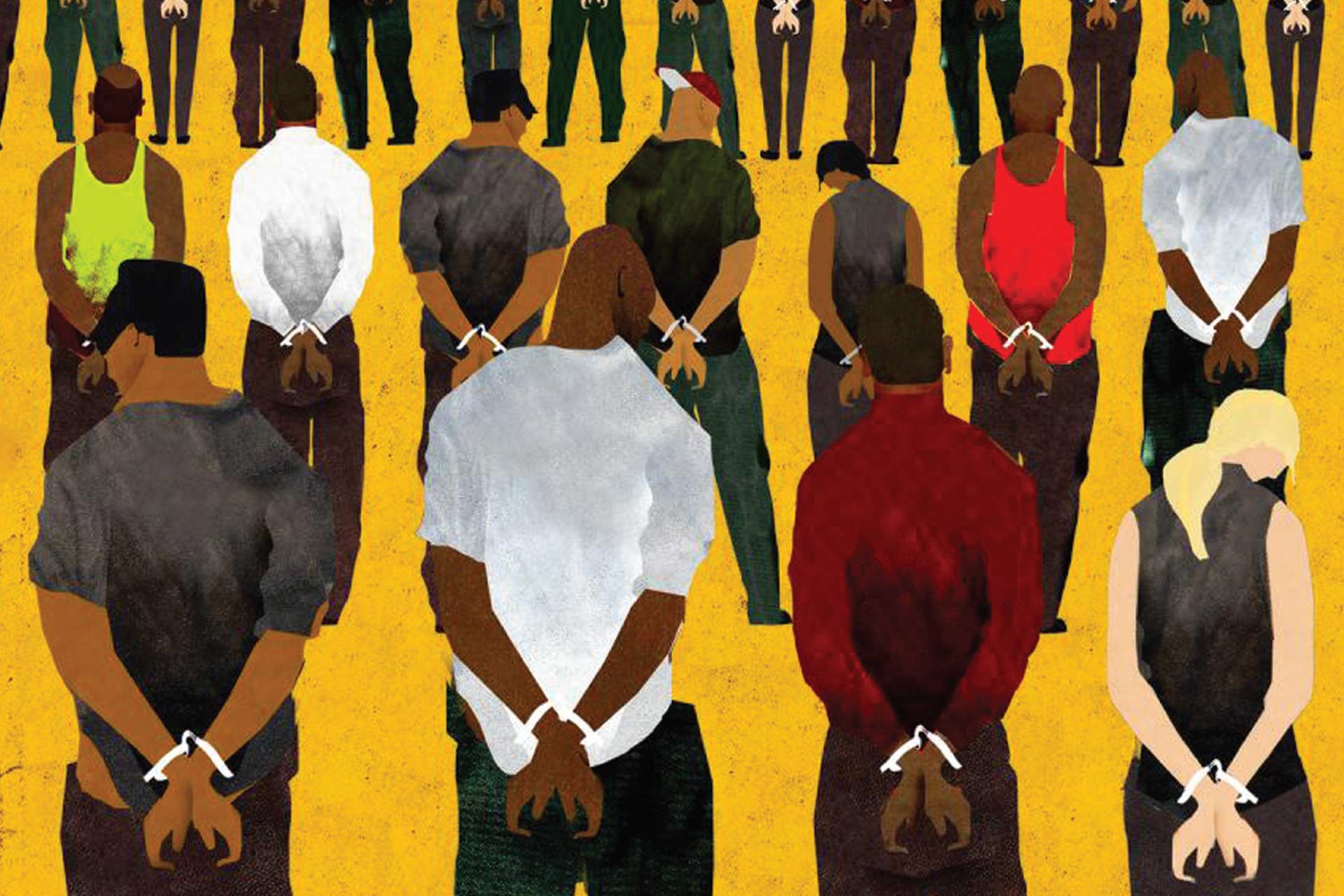
The cannabis industry is taking center stage as people realize there are more Black men imprisoned today than before the Civil War. And a significant percentage of the Black and Brown men and women serving sentences in America’s prisons are there as the result of the War on Drugs.
Here is a handful of facts assembled by the Center for American Progress to demonstrate our point:
- Black Americans are four times more likely to face arrest for cannabis charges than their white peers. And Black Americans make up almost 30 percent of all drug-related arrests, despite accounting for only 12.5 percent of all substance users.
- Black Americans are almost six times more likely to face incarceration for drug-related offenses than their white counterparts, despite equal substance usage rates. Nearly 80 percent of people serving time for a federal drug offense are Black or Latino. And in state prisons, People of Color are 60 percent of those serving time for drug charges.
- In the federal system, the average Black defendant convicted on a drug charge will serve nearly the same amount of time as a white defendant would for a violent crime.
- People of Color account for 70 percent of all defendants convicted of charges with a mandatory minimum sentence. Prosecutors are twice as likely to pursue a mandatory minimum sentence for a Black defendant than a white defendant charged with the same offense, and Black defendants are less likely to receive relief from mandatory minimums. Defendants subject to mandatory minimums, on average, spend five times longer in prison than those convicted of other charges.
We’ve talked about the connected history of cannabis and Black and Brown people in America before. But we haven’t addressed the 400 years of policy-driven oppression that’s taken us to this moment in 2020, a moment in which the global pandemic and public death of a Black man at the hands of police have collided in a perfect storm of social awakening. It’s time for a change, and Sarah Woodson and the Color of Cannabis are leading the way in Colorado.
Sarah Woodson has entrepreneurship ingrained in her.
The daughter of entrepreneurs, Sarah, is driven to succeed on her terms. But after earning her Associate’s Degree and two Paralegal certificates, and founding what would become Colorado’s largest Pro-Se Bankruptcy business (including a social equity program for Women of Color), she experienced professional burnout.
Sarah’s husband was interested in cultivation and encouraged her to find a place in Colorado’s then-new cannabis industry with him – as dispensary owners. Unlike her husband, however, Sarah wasn’t a cannabis consumer. In fact, at the time, to Sarah, cannabis didn’t represent positivity and opportunity. When we spoke with her, she said, “My husband was negatively impacted by cannabis despite his interest in cultivation, so initially, it didn’t leave a good taste in my mouth.”
But by 2015, Colorado’s cannabis industry started to mature, and Sarah’s opinions shifted. Her entrepreneurial DNA had her looking for a way into the burgeoning industry.
Sarah entered our industry through hospitality, by-way-of her business, Kush and Canvases – an upscale consumption-friendly forum for cannabis-fueled art. She also continued to look for new opportunities. As fate would have it, an encounter at Denver Startup Week with Cannabis Global Initiative founder, Wanda James, who said, “if you’re not in politics, you’re not in cannabis,” changed the direction of her career.
Realizing thousands of people are still imprisoned for cannabis offenses in a state that ended its prohibition, Sarah looked at ways to give back. She started volunteering with Denver’s Turn Over a New Leaf program to help expunge the records of Coloradoans with low-level cannabis convictions.
Through her work with Turn Over a New Leaf, Woodson found a mentor in Kristi Kelly of the Marijuana Industry Group; she also found a job with MIG. And with her experiences, education, and cannabis industry connections, the die for the Color of Cannabis was cast.
In Sarah’s words:
“Through my work at Marijuana Industry Group, I understood what Wanda meant when she said if you’re not in politics, you’re not in cannabis. And once I wrapped my head around my experiences and connections, the call was there. And the call was, you need to make sure you help other Black and Brown people enter the industry because if they don’t have these connections and opportunities, they’re not going to be successful – that’s how the Color of Cannabis started.”
Sarah answered the call. She and the Color of Cannabis are focused on transforming people’s lives impacted negatively by cannabis prohibition and changing the concept of who social equity candidates are. For her, all roads lead back to entrepreneurship, because social equity specifically, is excellent for the Black and Brown entrepreneur. And becoming successful in America, as a Person of Color, can be an act of civil disobedience.
Many people speak of what’s wrong with the cannabis industry, but not enough people are looking at how we make it equitable. The Color of Cannabis is a bridge between our industry and the community. They build pathways for People of Color to enter cannabis at every level, through respectful but progressive conversations, advocacy, and free expungement clinics. Because sealing the records of Black and Brown Coloradoans with cannabis convictions is a pathway to opportunity and success and a way to build generational wealth.
“A social equity candidate is not a person that’s broke, poor, and unintelligent. It’s a person that needs an opportunity and is worthy of that opportunity.” – Sarah Woodson
The Color of Cannabis represents the equitable interests of Black and Brown people who want to participate in the legal cannabis industry. They do this through criminal justice reform, legislation and public policy, and business education and technical assistance. Through their work, CoC can help restore and repair the people and communities negatively impacted by America’s War on Drugs.
We can pass bills, create policies, have conversations, and advocate, but if we don’t have widespread participation, the hard work will be in vain. If you’re a Person of Color interested in our industry, reach out to the Color of Cannabis – they’ll get you connected and provide information because Sarah and her team are committed to your inclusion in the cannabis industry.
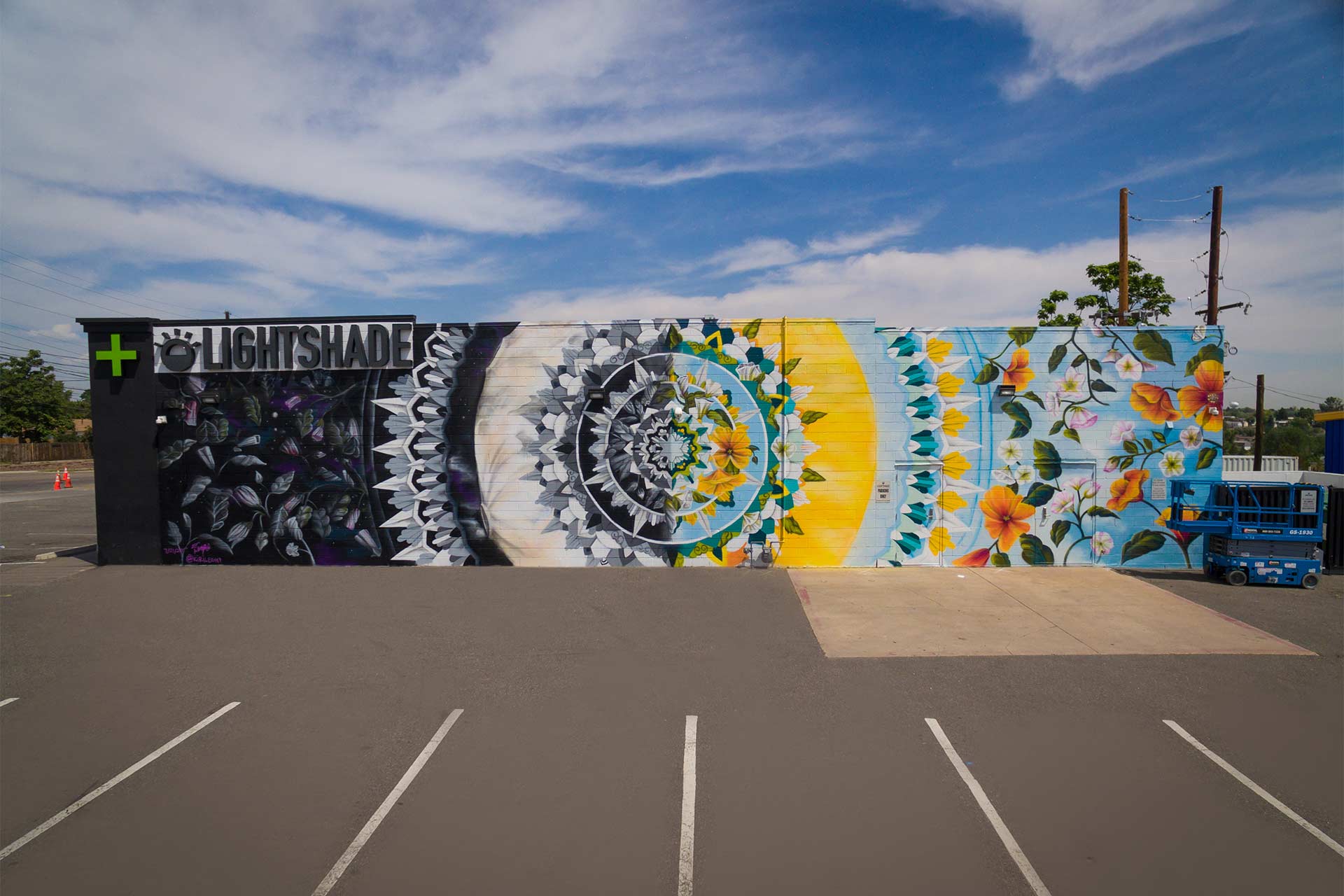
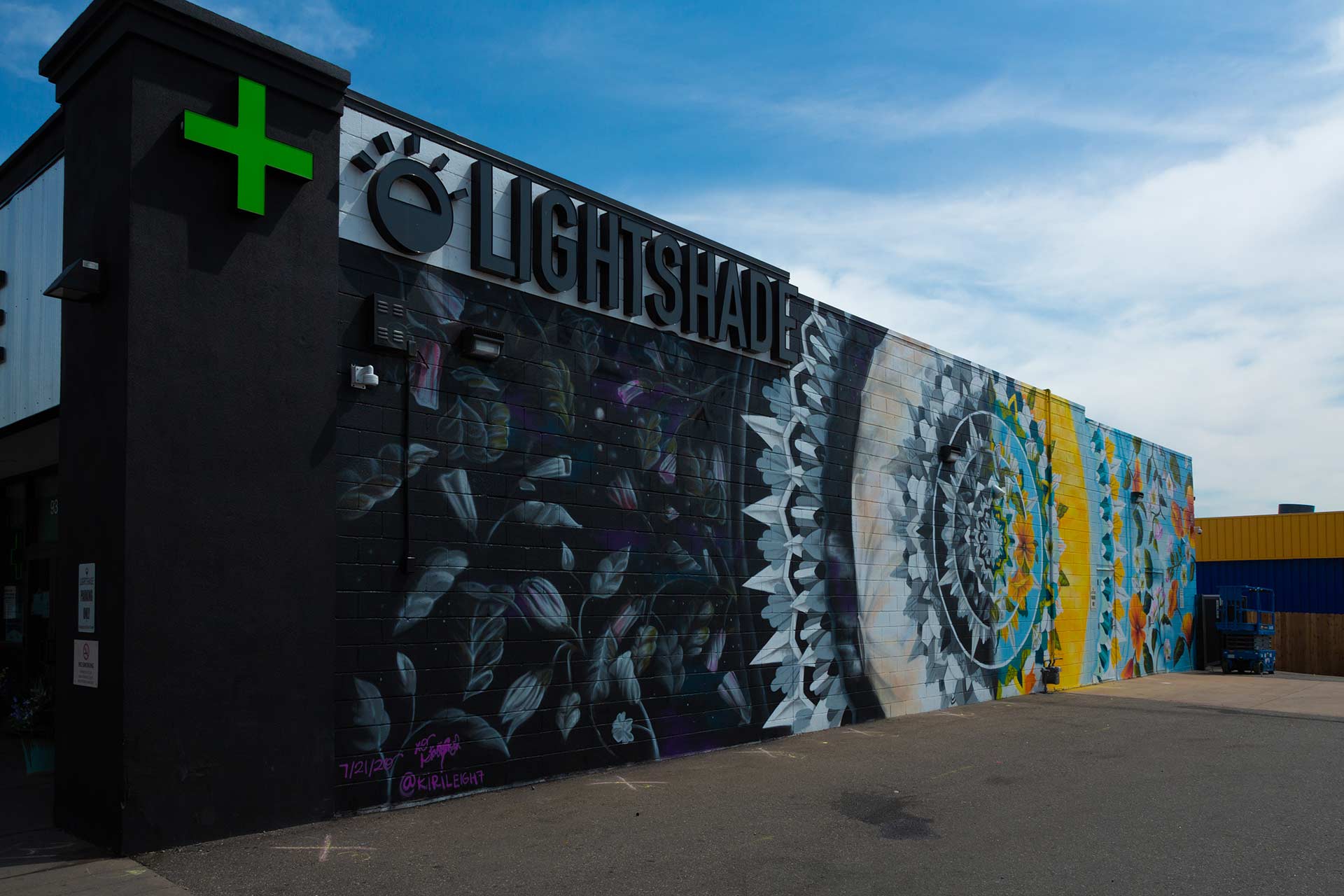
Spotlight | Kirileigh Jones - Artist
“My name is Kirileigh Jones and I’m an artist”
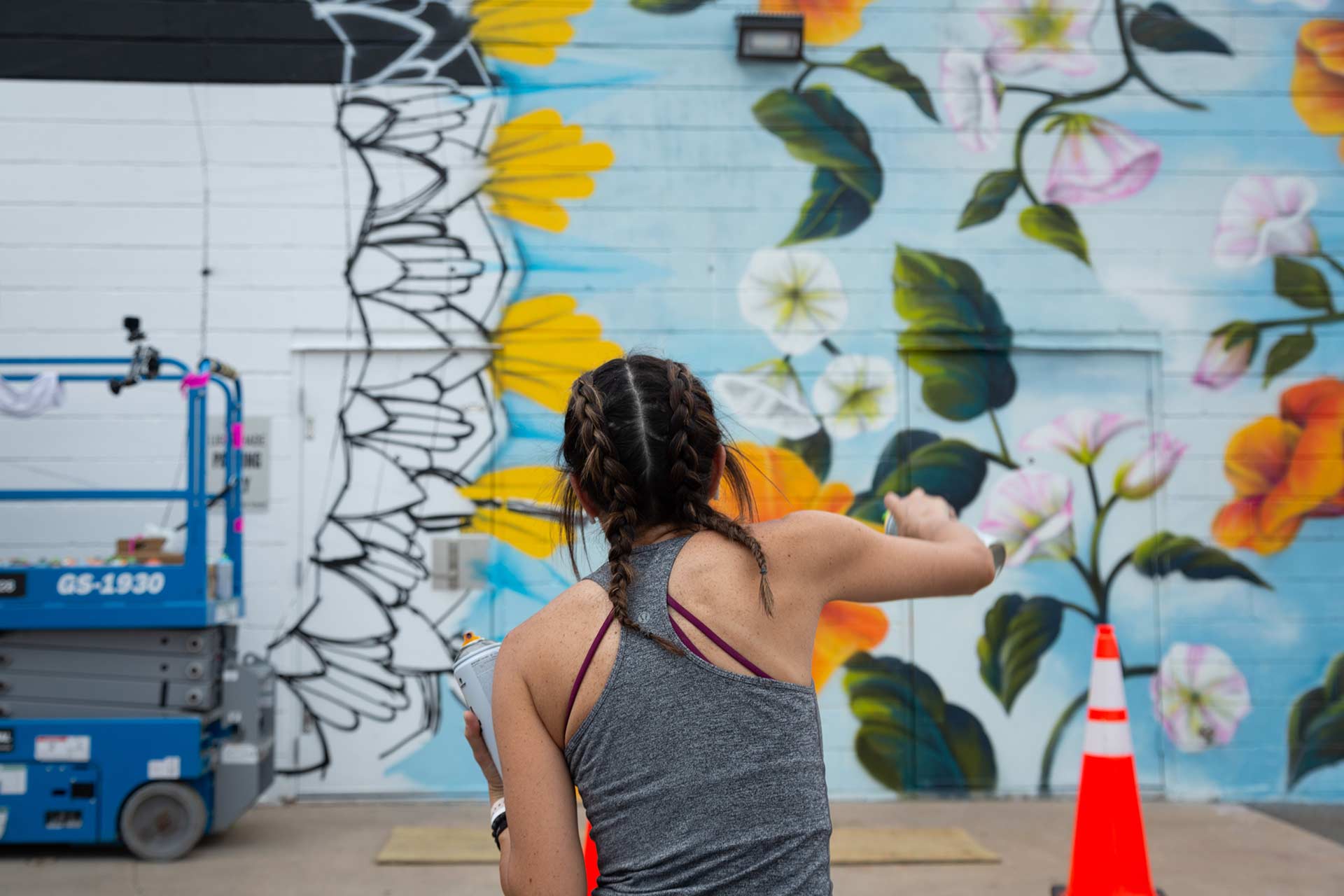
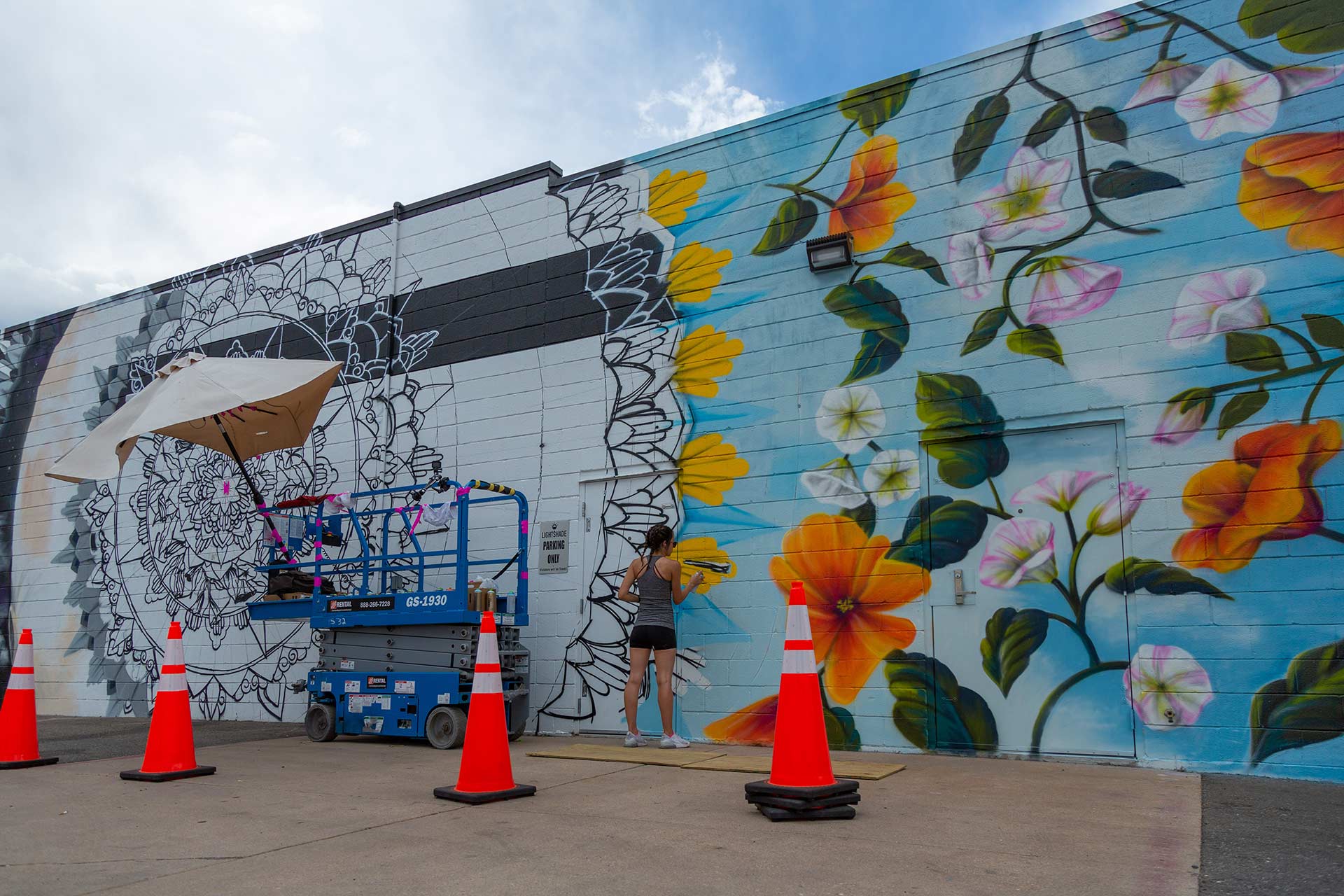
“I grew up in Alameda, California. When I moved to Denver, I just wanted to do anything that was art involved, and then I painted a mural and then I made another mural, and now I just paint a lot of murals.”
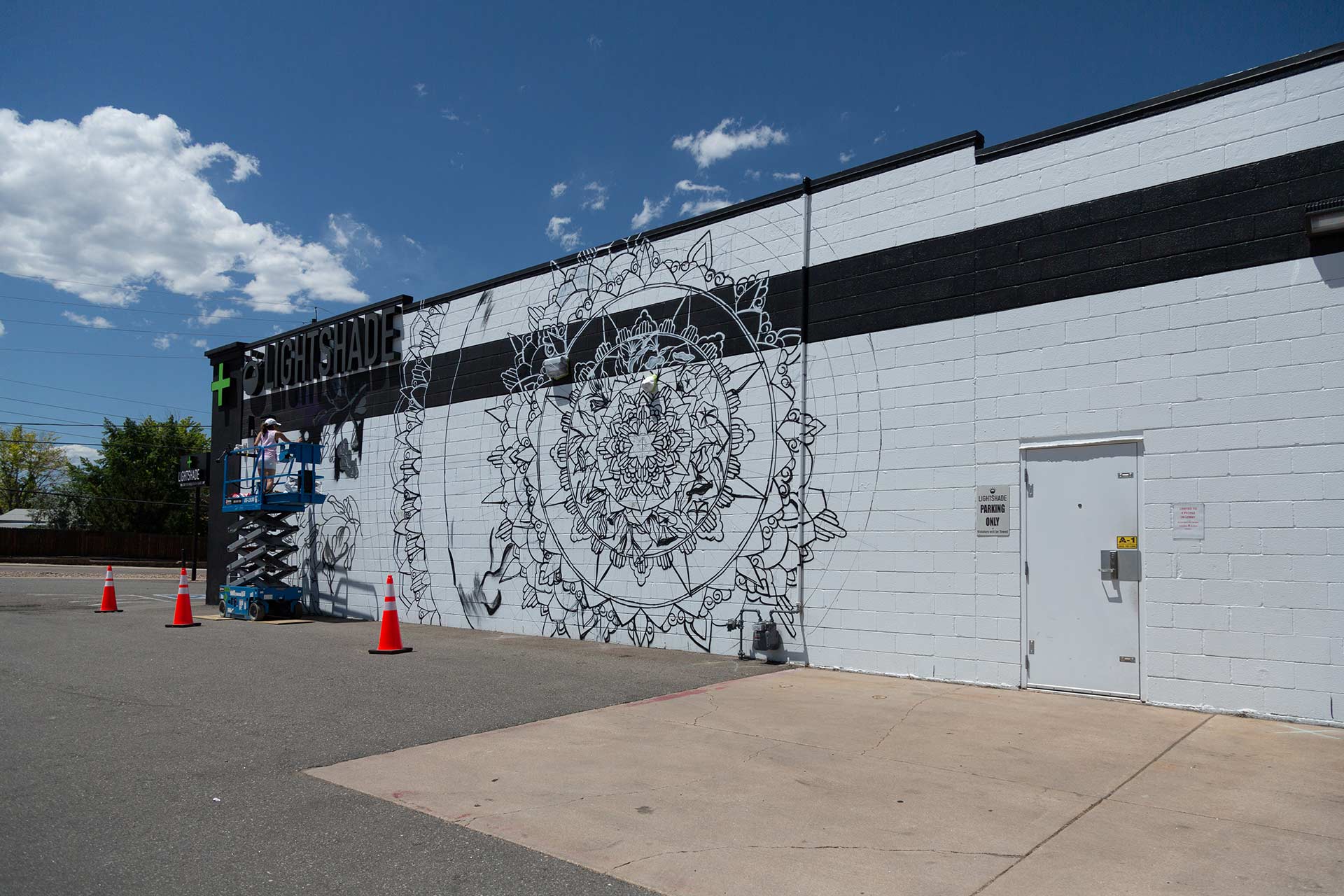
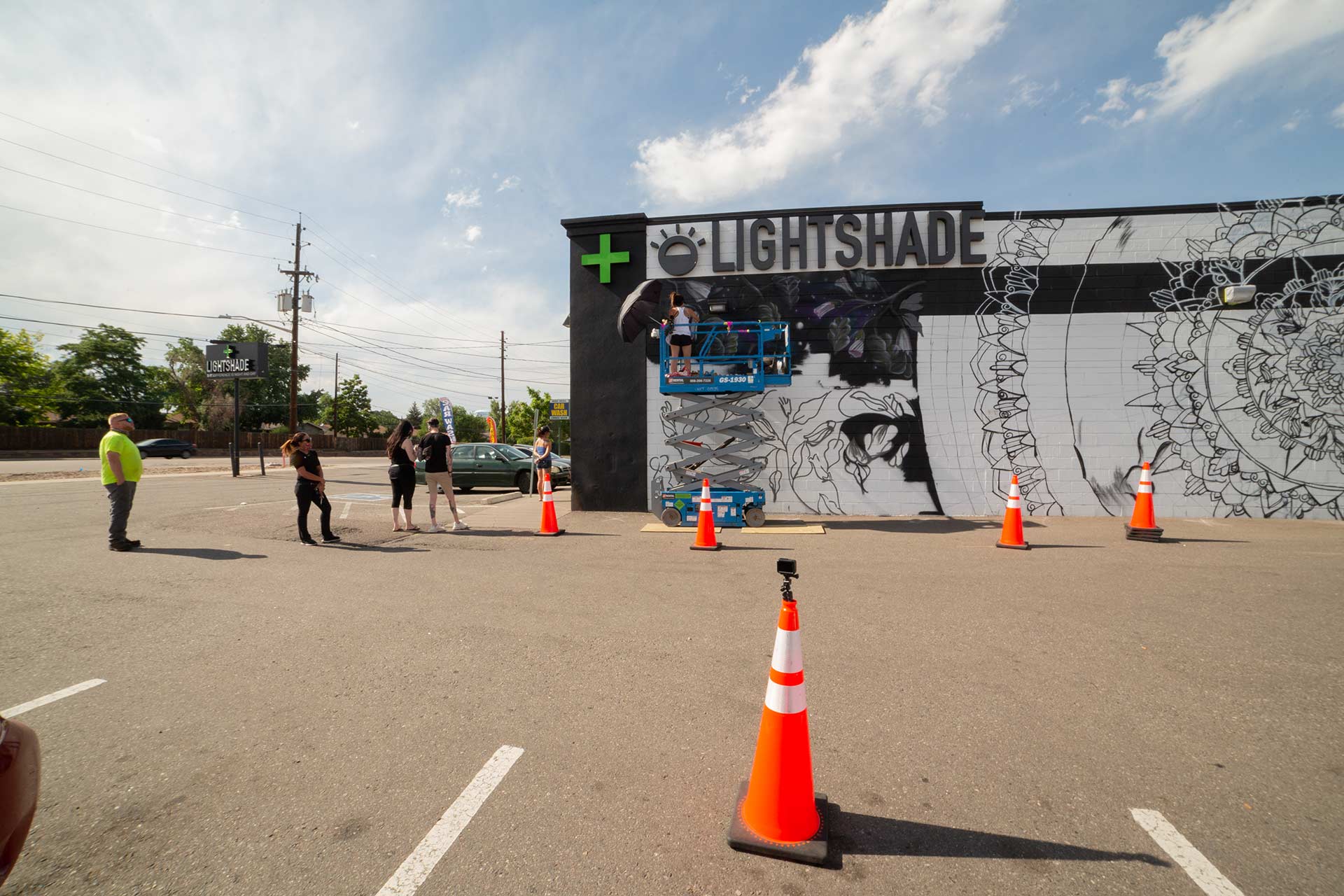
“I have been painting murals for four years. I didn’t go to art school. I haven’t taken any art classes in my life, so I don’t really understand a lot of the proper process to do a lot of things. I kind of do things as fast and as easy as I possibly can.”
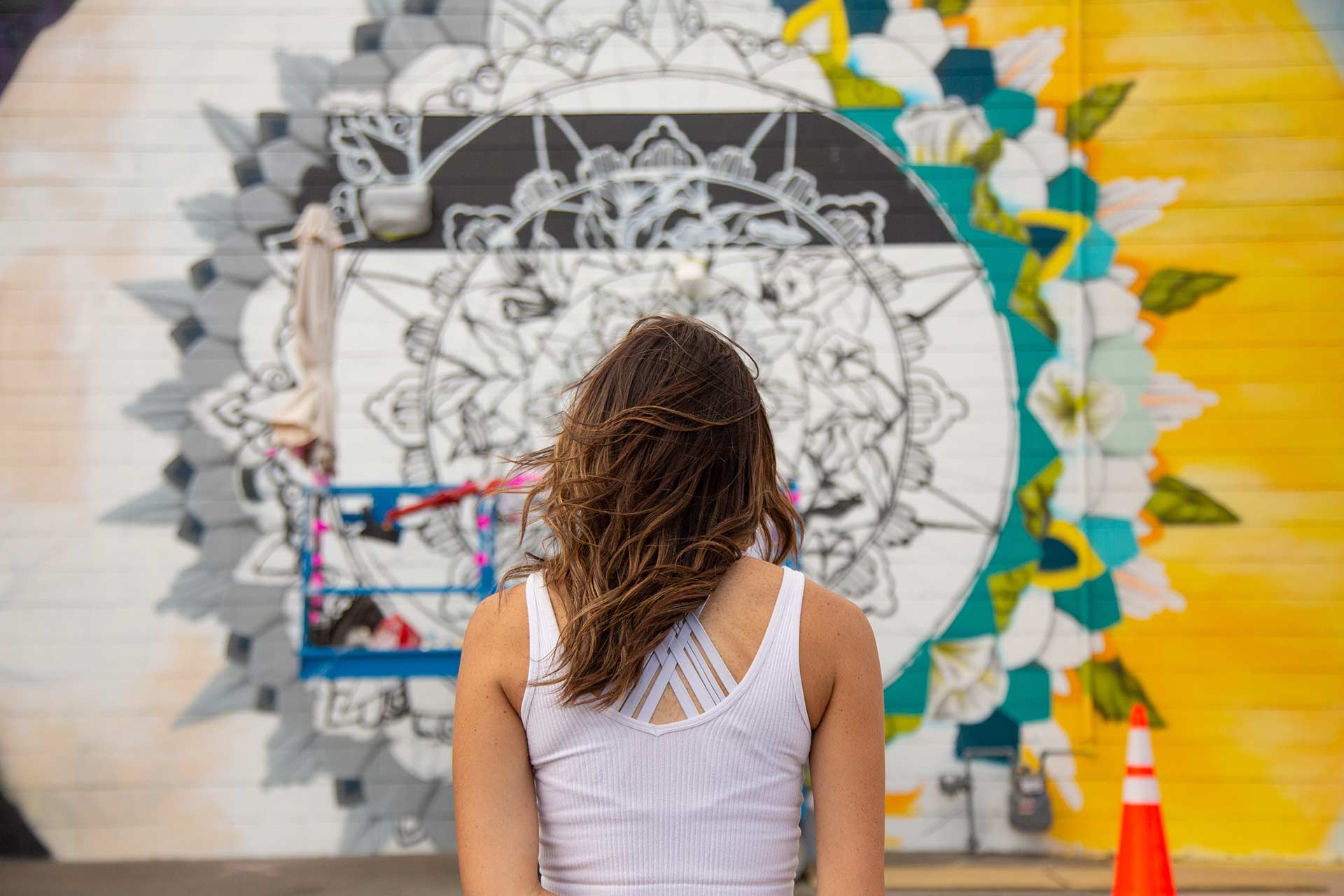
“The first step when creating the mural is conceptualizing and presenting my idea and ask if you would like to see a sketch. I’ve definitely painted murals where I was like, “I want to do something half flowers, half mandala.” And someone was like, “Great, go paint.” And then I did.”
“I have to do everything by hand. I think probably the most fancy tool I use is a level. I just use string and tape and then yeah, I wear AirPods constantly. AirPods changed my life. Going between like three different podcasts and music. I literally only listen to murder podcasts and true crimes. It’s like this crazy balance of everything.”
“I need a lot of things going on at one time, and that’s probably why I’m also good at being outside and having it be a little performative because I’m like, “Yeah, you, I’ll answer you, but I’m also going to stay over here.” I do art constantly, like all day and a lot of it’s not to relax, it’s just because I have to be doing something.”

“Cannabis plays a role in my creativity because it creates a focus in my brain. It creates a place to filter all the thoughts and it definitely organizes them into one at a time. I definitely like a sativa or a sativa hybrid. I’m also a big CBD person because I have insane anxiety, so I like to kind of be up and mellow. I just like anything that’s going to make me feel what I consider to be normal.”
“I usually have a vape pen in the waistband of my leggings at just about all times, and then as I get home the first thing I’ll do is go to my sister and be like, “I just finished this thing. Let’s roll a blunt.” Because it’s like, that’s how you celebrate.”
“Mandalas represent the connection between everything in the universe. That’s why it’s the circular pattern, it usually has a square pattern too. I like tiny patterns. I like how things connect and how the layers have to go together. Mandalas for me are like everything is connected because the universe made it that way and just accept it and move on.”
“I do think everything happens for a reason, but now I am more focused on why. I really think art has the power to heal people. My Uber driver the other day was dropping me off at my mural and I did those morning glory flowers because they’re beautiful flowers and I just like the moon and I like flowers and I like white flowers, and so I put them in that.”
“My Uber driver saw what kind of flowers they were and she started crying because she was like, “I used to pick those flowers for my mother and pull them right out of the ground, dirt and all, and it was the ugliest bouquet ever made, but my mother thought they were the most beautiful thing in the world.”
“And that just brings me right back to that moment. Was I thinking about that when I went into making the mural? No, but it’s just creating this moment for you to have whatever moment you need.”
“I know it heals people and I know that it creates this sense of calming and belonging. Like you want to leave everywhere a little bit better than you found it, and I really think that’s what I’m doing, and then I just move on to the next thing.”
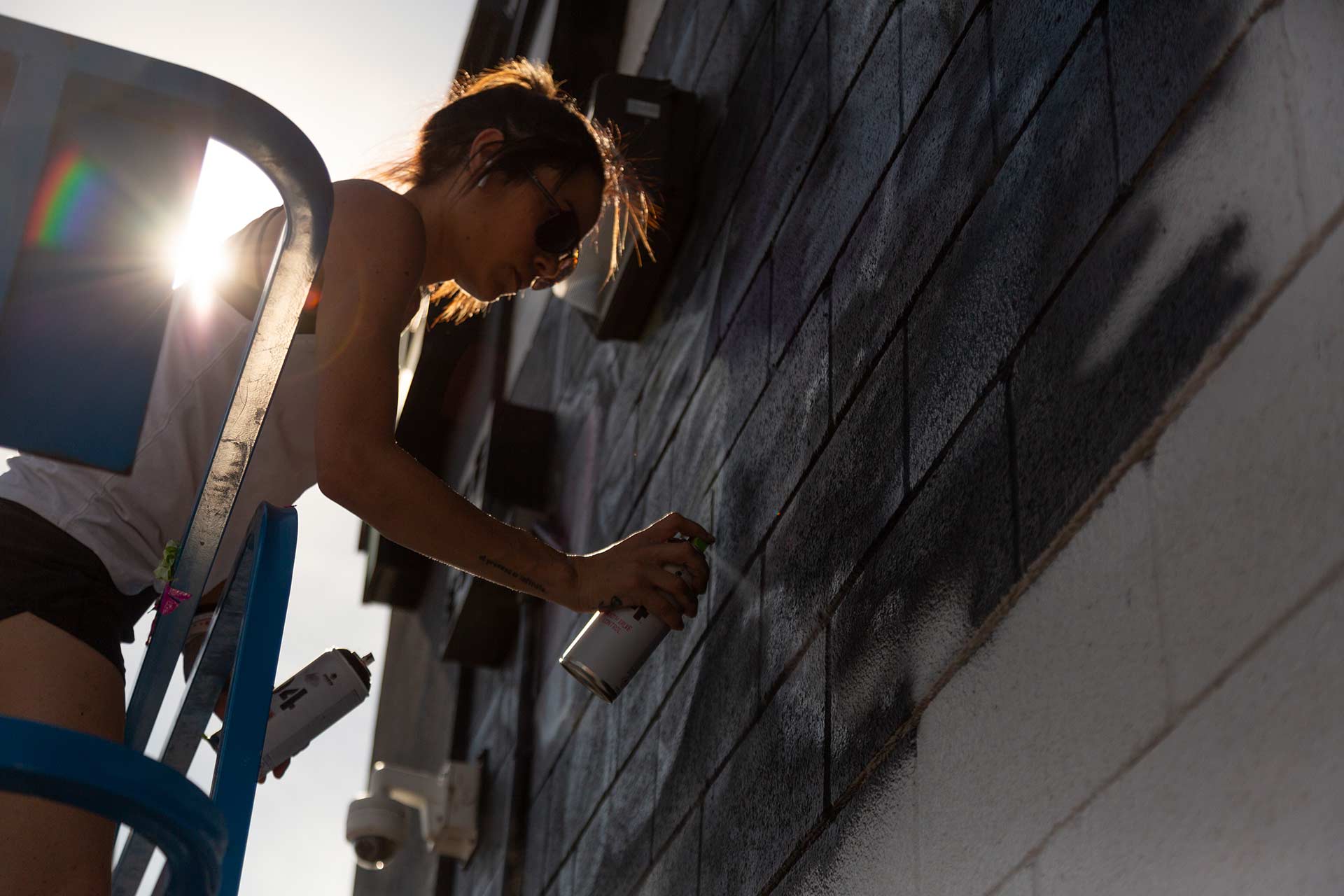
“My best advice is practice makes permanent. Like constantly practicing because eventually that’s so ingrained in you, you don’t know how to do anything else? This is what I’m supposed to be doing. Absolutely. There’s no if, ands, or buts about it.”
“I love Lightshade. They’re trying to create things for their community and I think that’s important. I think that Lightshade is trying to become something that’s changing the way people view cannabis, and I think they’ve made it a very safe space.”
“I saw a hundred year old lady walking in there and she was having the best day and then I saw a 21 year old kid walk in there and he was also having the best day. And I was like, ‘That’s the kind of energy I want everywhere.'”
“I am most looking forward to painting more walls, just doing more. I just want to create more. Shout out to Lightshade for allowing me to let this vision come to life.”
“My name is Kirileigh Jones and I’m an artist.”
Are Cannabis-Infused Drinks Better Than Edibles?
Colorado dispensary customers love edibles, but are infused drinks better?
It’s no secret that cannabis is a healthy and safe alcohol alternative, which helps explain the recent infused beverage explosion. But a hangover-free morning isn’t the only reason infused drinks are having a moment.
First, let’s answer the question posed in the title of this blog. No – infused drinks aren’t better than edibles – and edibles aren’t better than infused drinks. We’re democratic in our love for cannabis.
Let’s get back to infused beverages.
Infused drinks (or drinkables), is a swiftly growing cannabis product category. You can walk into nearly every Denver dispensary and find shelves lined with infused coffee, tea, sparkling water, and sodas.
(For the record, you shouldn’t walk into any old Colorado dispensary – you should visit us.)
There’s even an industry organization dedicated to infused beverages, the Cannabis Beverage Association. Here is their mission statement:
“The Cannabis Beverage Association (CBA) is a trade association established to represent and advocate on behalf of the producers and consumers of cannabis beverages. By educating policymakers and consumers, establishing standards for operators to uphold, and advocating for common-sense policies, we can ensure that the cannabis beverage industry delivers safe, high-quality, reliable products to the consumers who enjoy them.”
The infused beverage market is ripe for the taking as far as corporate brands and interests go, which explains why infused beverages need an association.
We digress.
We’ve seen a surge in infused beverage popularity in our Colorado dispensary locations since stay-at-home orders began. In April, Headset, a cannabis data and analytics platform, released data showing a 14% infused beverage sales spike; edibles experienced a 28% sales bump. Before COVID, drinkables accounted for only 1% of the cannabis market – the post-COVID sales spike is considerable.
The increased popularity of drinkables (and edibles) makes sense considering the virus is an enemy to our respiratory system. Many people would now prefer to drink or eat cannabis rather than smoke or vape.
And infused drinks are arguably the most universally appealing new cannabis consumption method; drinkables are easy to consume, relatively discreet, and attractive to people who appreciate the effects of weed more than its flavor.
Despite the universal appeal of infused beverages, every person should exercise caution when trying new consumption methods. Whether you’re a cannabis expert or a new consumer, we suggest that you take the same approach to infused drinks as you do edibles – start low and go slow. Overconsumption is possible with infused drinks, even at low doses. Start with a 5mg THC dose (or less) and give it an hour before taking another sip.
Here are a handful of infused drinks we love:
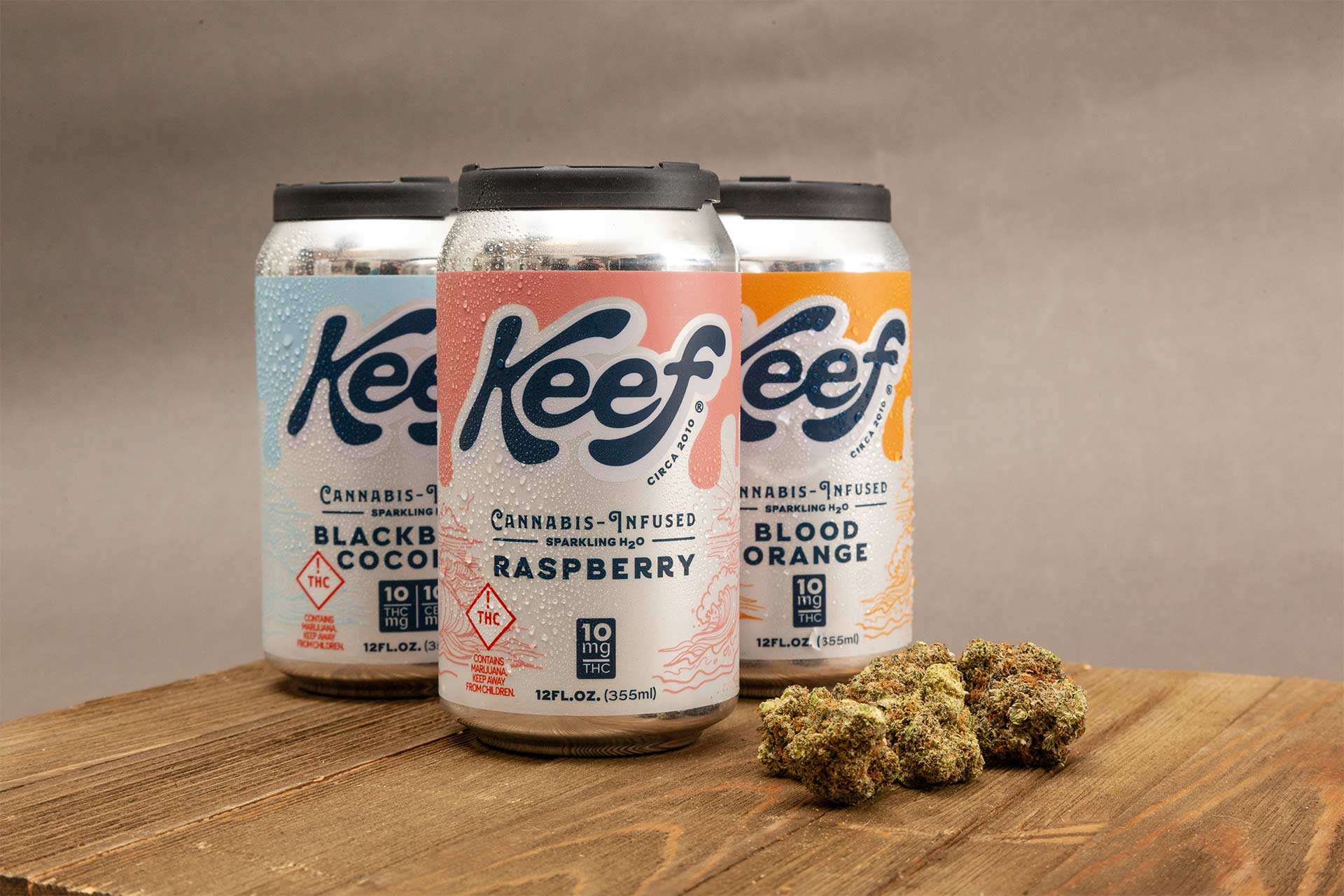
Keef Sparkling Water (Blood Orange)
Keef Sparkling H2O provides a naturally flavored, zero-calorie, zero-sugar, infused beverage experience. The blood orange cannabis sparkler is your summer go-to for a low-calorie, sugar-free alternative to alcoholic beverages and sugary cannabis edibles. Each can contains 10mg of THC.
PHYX 1:1 Lime
PHYX 1:1 Lime is an expertly formulated, deliciously refreshing, THC-infused beverage. It’s your socially distanced summer companion. Every bottle of PHYX sparkling water contains 2.5mg THC and 2.5mg CBD – it’s our most mellow infused drink.
Lagunitas Hi-Fi Hops
Hi-Fi Hops is an IPA-inspired infused sparkling beverage made using everything Lagunitas knows about hops – but with zero alcohol, no calories, and zero carbs. And it’s infused with THC from the finest sun-grown cannabis.
Keef Mocktail Lemonade
Keef Mocktail Lemonade has a classic lemonade taste with a cannabis twist. It’s a timeless carbonated beverage containing 10, 10mg servings of THC in each bottle (please don’t drink a bottle in one sitting). Each bottle comes with a resealable dosing cap for precise and consistent dosing.
We’re in the midst of socially distanced summer barbecue season – wouldn’t you prefer a thirst-quenching beverage that won’t leave you with a headache? Ask your Lightshade budtender about their favorite infused drink.
Spotlight | John Bailey - Black Cannabis Equity Initiative
Bridging the gap between the African American community and the cannabis industry in Colorado.
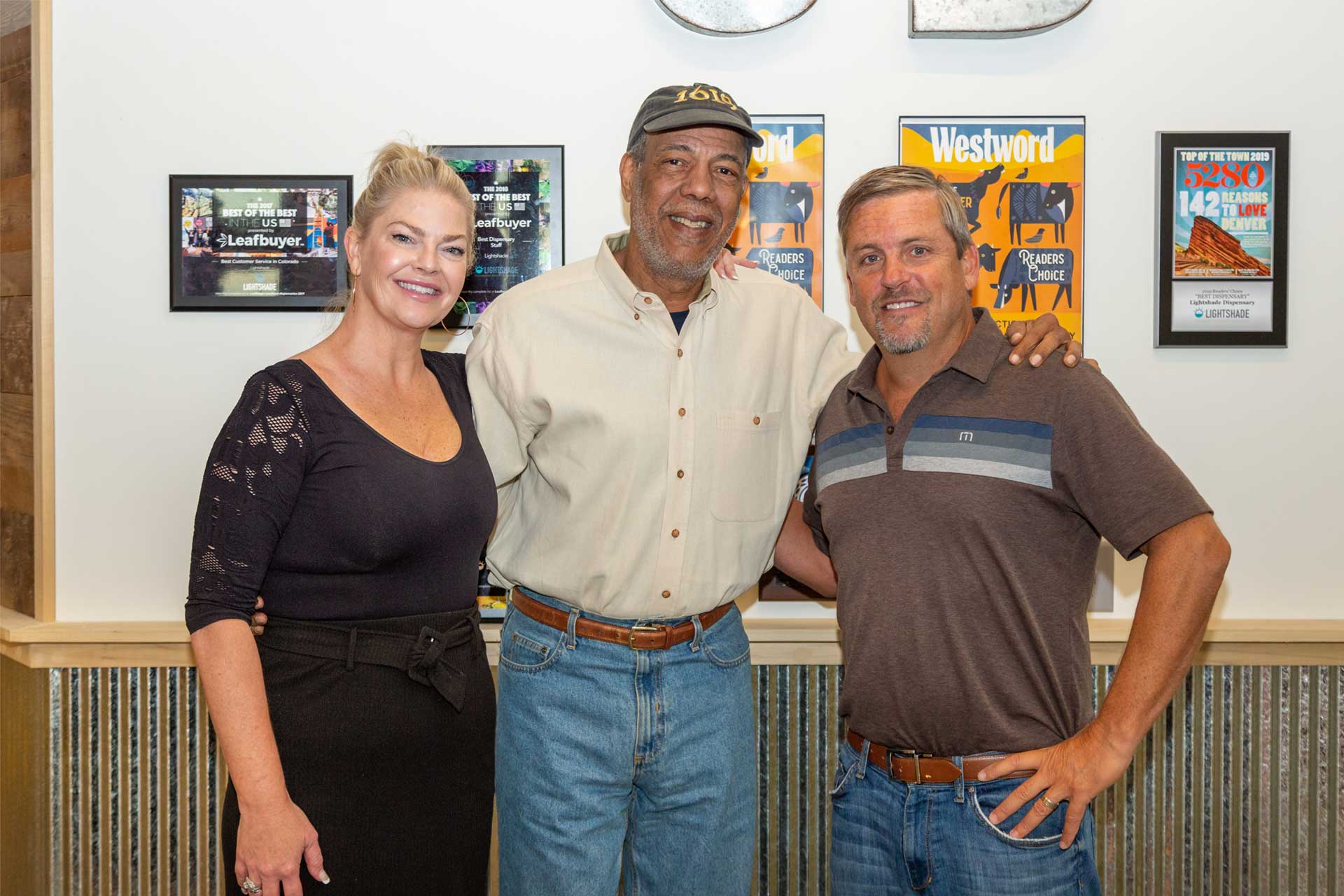
“My name is John Bailey and I’m the lead convener for the Black Cannabis Equity Initiative, which I started as opportunity to bridge a gap and relationship between the African American community and the cannabis industry and owners and operators in Colorado.”
Should Denver Dispensary Customers Forget About Indica, Sativa, and Hybrid Strains?
It might be time for Colorado’s cannabis consumers to think outside the three-strain box.
The three-strain cannabis categorization system has been around for as long as anyone in Colorado can remember. We’ve grown accustomed to walking into our favorite Colorado dispensaries and selecting either sativa, indica, or hybrid strains.
And for a long time, breaking strains into three categories worked (sort of). Humans like simple answers and easy options. Knowing that an indica would land you firmly “in the couch,” A sativa strain could get you off the couch, and a hybrid would drop you somewhere in the middle, made selecting products relatively simple.
But most of us have discovered things are a tad more complicated. Have you consumed an indica that left you anxiously counting sheep, a sativa that crushed your daytime productivity, or a hybrid as unpredictable as Colorado’s weather?
Speaking to WeedMaps in 2019, Alex Revich, Director of Partner Education at Flowr, a Canadian cannabis cultivator, said, “What we’ve known for a while is that really, the only thing that indica and sativa tell you for sure is the size of the plant and what the plant looks like.”
It’s time for real talk: classifying cannabis in three categories is limiting and impractical.
We don’t want to complicate your decision-making, but there is a better way to find the right strain.
How should we talk about cannabis?
Cannabis, as it turns out, is more complicated than any of us could have guessed. And with a 5,000-year history of human consumption and scant research, there’s a lot to be discovered.
Still, through limited scientific exploration, we’ve learned enough to know that the range of effects provided by marijuana is influenced by factors outside the properties of just three strains.
Many Colorado marijuana dispensary customers are familiar with cannabinoids – chemical compounds responsible for most of the effects of cannabis. On the other hand, terpenes, which also factor into the universe of potential cannabis effects, are still mostly unfamiliar.
You can skip the three-strain debate and use your nose as a guide because of terpenes, the fragrant oils coating our favorite plant.
What do cannabis terpenes do?
Indica, sativa, and hybrid are simple ways to classify weed, but cannabis terpene profiles are a better indicator of how your body will react.
Researchers are only starting to understand the effects of specific terpenes, but, from observational data, we know that some are uplifting antidepressants (linalool). Others, boost memory (alpha-pinene), and a few can help you get to sleep at night (myrcene).
Still, without the genetic makeup of each strain listed on flower containers or edibles packaging, it’s hard for most of us to predict how a strain will act, which is why the three-strain system prevails.
But, as we’ve already pointed out, your sense of smell can be an asset in selecting a new product at your favorite Denver dispensary.
Citrusy strains are often associated with anxiety relief, while those with piney aromas tend to offer anti-inflammatory effects, and earthy-scented strains can suppress an insatiable appetite.
The scent-focused approach to selecting your new favorite strain isn’t an exact science, but it’s a helpful way to move beyond the basics of sativa, indica, and hybrid.
Here are a few common terpenes we think you should know:
Linalool
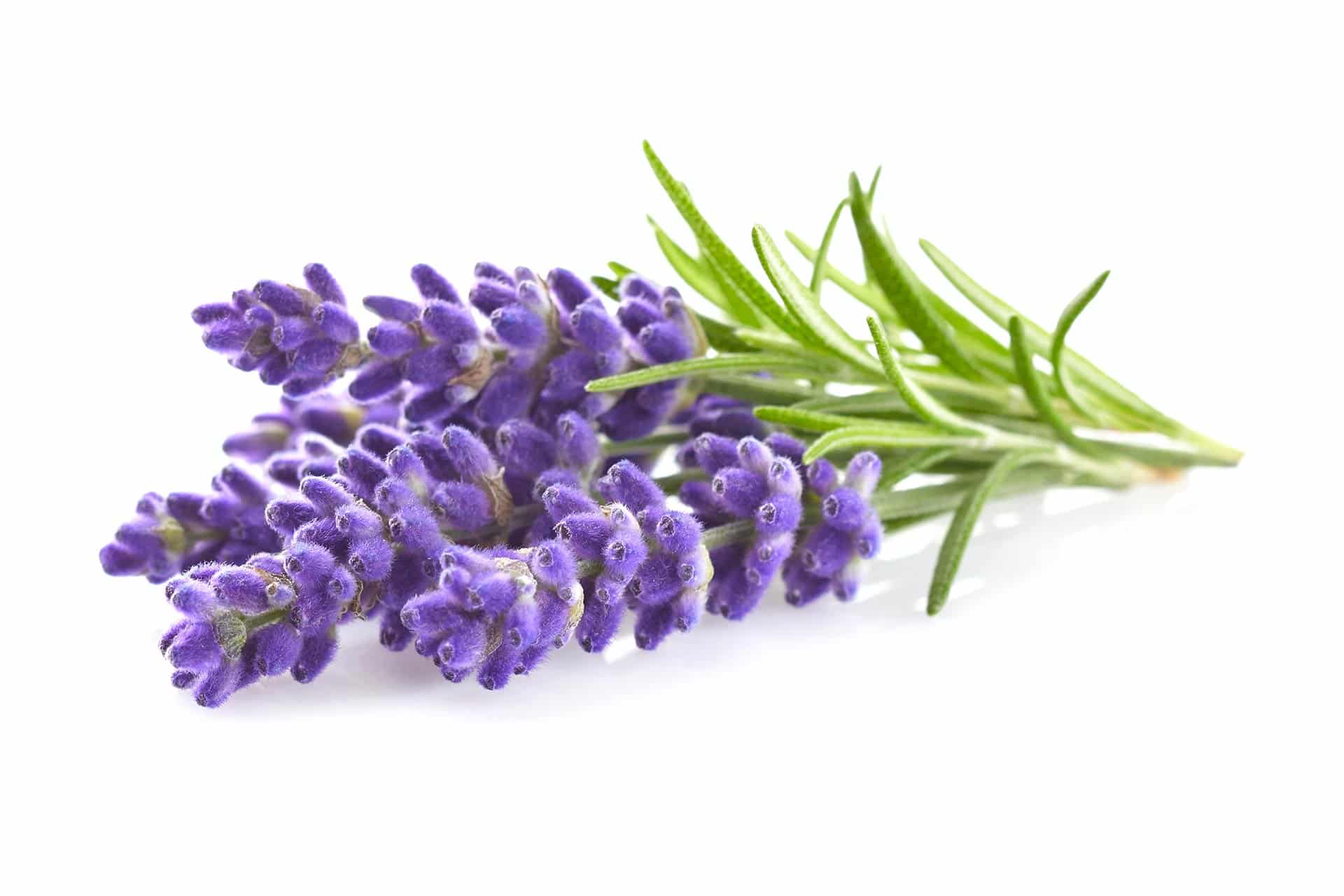
Cannabis flower packed with linalool can smell like a Colorado wildflower meadow. It’s a fresh and fragrant terpene useful for consumers in need of serious stress and pain relief. Linalool is a potent anti-inflammatory, anti-anxiety, and anticonvulsant, and it helps you maintain a sunny disposition.
Myrcene
Myrcene is the most common cannabis terpene and gives weed its hoppy smell and taste (it’s also in hops, which is why many beers are hoppy). Famous for its sedating effects (couch-lock), myrcene is ideal for deep relaxation, insomnia, and general stress relief.
Pinene
Get ready, this is confusing. There are two forms of pinene – beta-pinene (b-pinene) and alpha-pinene (a-pinene). And as you might have already guessed, pinene gives many strains their characteristic evergreen tree aroma. But there are subtler fragrances of parsley, dill, rosemary, and basil, too. Both forms of pinene give an energetic and clear-headed high (it’s also anti-inflammatory).
Limonene
As the name suggests, limonene has a pungent citrus aroma – it’s a powerful tool to fight against anxiety, depression, and stress. Limonene is energizing and uplifting, which explains why most Colorado dispensary shoppers associate this common terpene with sativa strains. But, cannabis is a chameleon – a sativa can sometimes act like an indica.
Caryophyllene
Peppery, spicy, and earthy, caryophyllene, is often found in OG strains and is helpful for patients with autoimmune disorders and Crohn’s disease. It’s also a friend to people who frequently experience IBS (irritable bowel syndrome), and ulcers.
Humulene
Humulene has a bouquet reminiscent of basil, hops, and clove. It’s known for its appetite suppressing qualities, as well as its anti-bacterial and anti-inflammatory effects. Strains high in humulene are less likely to give you the munchies, which is a good thing to remember if you’re prone to clearing the pantry.
Indica, sativa, and hybrid: the debate rages on.
Is it time to end the three-strain debate? Probably not. But, it is time for Denver dispensary shoppers to open their minds (and nostrils) to a more mature process of strain selection. And if everything we’ve said is confusing, we get it. This a complicated topic – that’s why our budtenders are here to guide you.
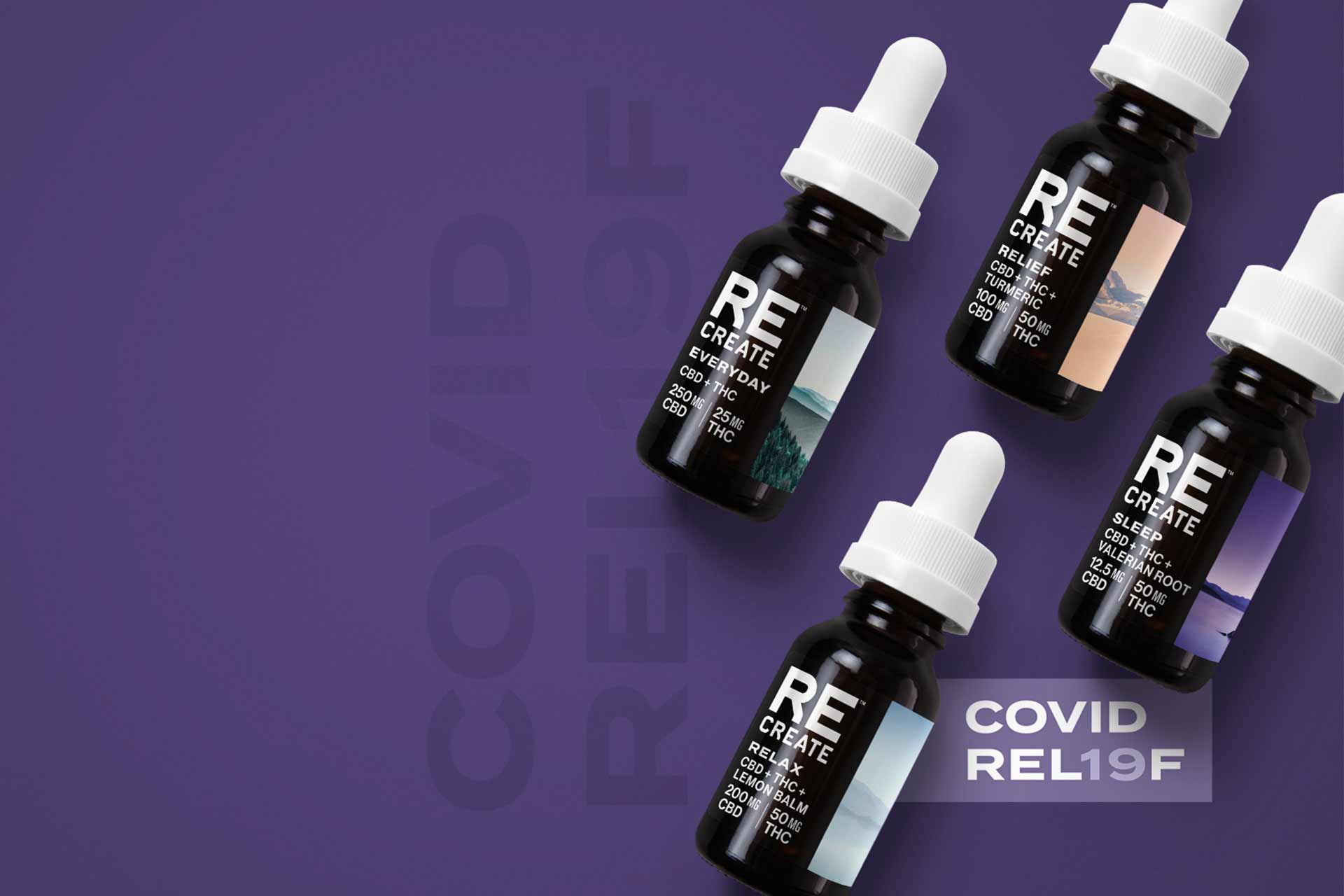
Stanley Brothers ReCreate COVID Relief Program
IT’S YOUR HEALTH THAT’S ESSENTIAL
Cannabis has been deemed essential, so those that need it should have it. ReCreate and the Stanley Brothers are providing $100,000 worth of products to help those affected by the COVID-19 pandemic.
This program is meant to help those who have been financially impacted in the Colorado communities. This includes those who have experienced COVID-19 related layoffs, furloughs, reduced hours, inability to work, or other similar circumstances.
Stay safe as we get through these times. We’re all in this together.
Head to Lightshade
Receive a $1 Everyday, Relief, Sleep or Relax Tincture with any purchase.
While supplies last.